Before you shoot
Most bad results are decided here rather than in the software. Five minutes of setup is the difference between a shot that sits in the scene and one that floats above it.
You do not need a green screen. Any plain-ish wall works.
The camera
Keep the camera at 1x — do not zoom in. The 2x and 3x buttons flatten how you look, and against a wide scene that is the most obvious mismatch there is. If your whole body will not fit, move the phone further away instead.
Vertical, on a tripod, and do not move it. Not handheld, and do not swivel it to follow yourself. The drifting camera in the finished video is added afterwards, in the render — nothing you film has to move.
Lens at chest height, 48 to 52 inches. It is the safe default, and it is the height every scene in the library sits at. For your own photograph, match the height that was taken from — and if it sits higher or lower, the studio has an Eye level in the photo setting to line the two up.
4K if offered, and 60fps if your phone has it. The render keeps the rate you shot at, up to 60, and the extra frames make the movement smoother. 24 or 30 are fine.
You
Full body, feet visible, a little headroom. Stand in the same spot for every take.
Stand still. Feet planted. Do not take steps — walking fights the movement added afterwards and reads as a treadmill.
Talk to the lens. Gesture, shift your weight, keep your hands inside the frame.
Trim the ends before you upload. Reaching for the record button and walking back to your spot end up in the finished video otherwise. There is no trimming in the studio, and the length you upload is the length you pay for.
Light yourself like the scene you chose.
Pick the scene first, then look at where its light comes from and copy it. A bright, cool, daylit you dropped into a dim warm lounge will look wrong no matter how clean the cut-out is.
Look at the picture and find its brightest side. That is where your own light should come from.
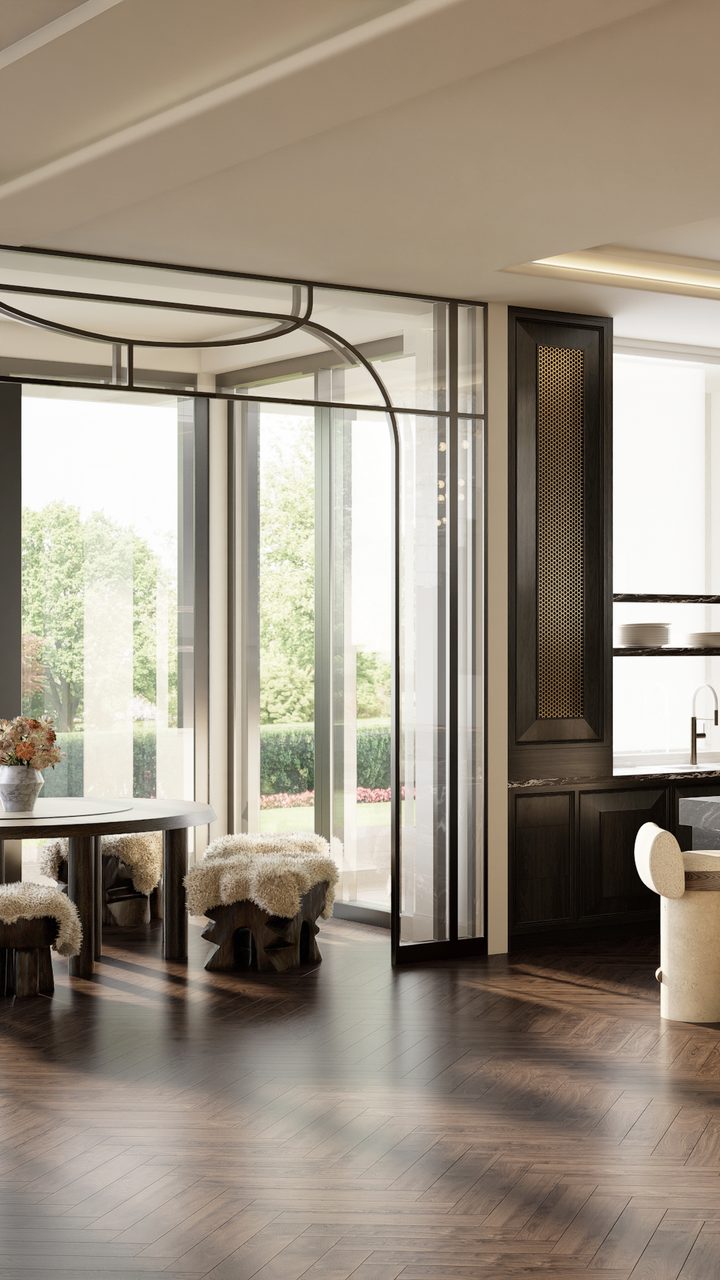
Hard, cool, from the left
Key at 45° on your left, daylight balance, let the other side fall off.
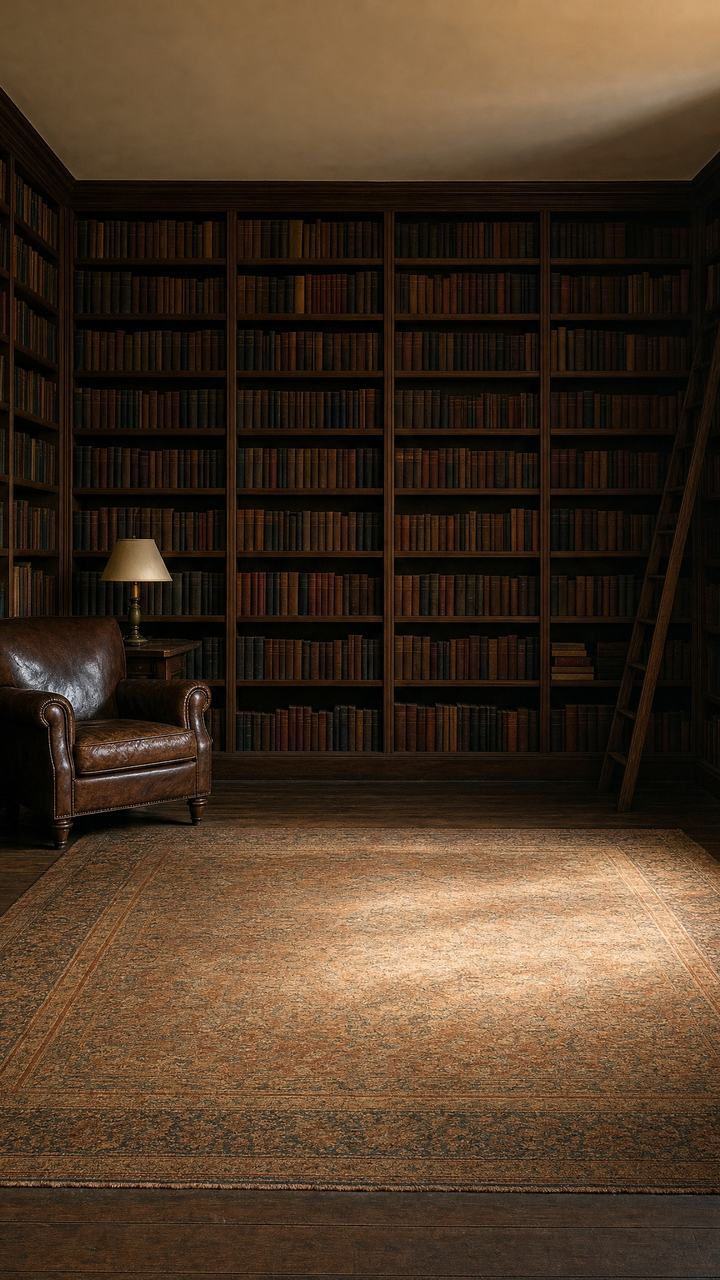
Soft, warm, low contrast
Warm balance, much lower intensity, diffused. Relight — do not reuse the kitchen setup.
What goes wrong
- Zoomed past 1x, so the perspective does not match the scene.
- Handheld, so you drift while the scene moves separately.
- Walking on camera, which reads as a treadmill.
- Camera on the floor or overhead, so you are seen from an angle the scene is not.
- A hard shadow on the wall right behind you.
- Background noise you cannot remove later — record somewhere quiet.
If a shot never sits right, the problem is almost always capture — the lens, the height, or the light — rather than a setting. Re-shoot rather than re-tune.
Plant your feet and shoot.
Pick your scene first — the light depends on it.